A Practical Review of the Floral Book Embroidery Design
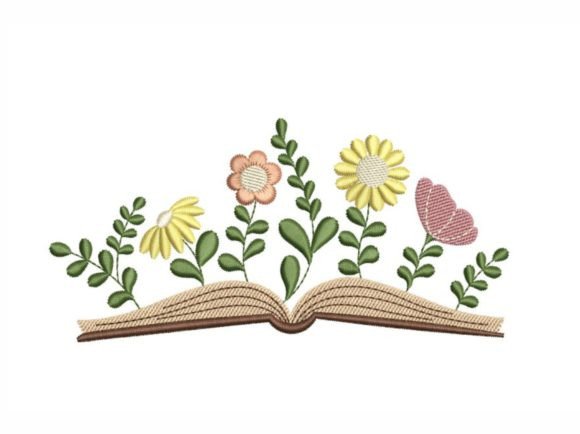
When an embroidery design crosses my desk, my first instinct isn’t just to admire the preview file. I think about how it will behave under the needle, on real fabric, and in the hands of a customer. Today, I’m looking at the Floral Book design, a charming composition of an open book woven with intricate floral patterns. It’s a design that sits comfortably in the Back To School category, but its appeal, I believe, stretches far beyond that single seasonal niche.
The First Impression: A Giftable, Gentle Narrative
This design creates a soft, literate mood. It’s not overly loud or whimsical; it feels thoughtful. The open book shape provides a clear focal point, while the floral details nestled within and around it add a layer of personal, decorative warmth. The layout is balanced, not overly dense, which suggests it will translate well into stitches without becoming a heavy, stiff patch on fabric. Visually, its personality is gentle and gift-oriented—it feels destined for projects meant to convey care, celebration, or a personal touch.
My mind immediately goes to applications like commemorative gifts: a pillow cover for a graduate, a tea towel for a book-loving friend, or a custom tote bag for a teacher. It’s the kind of embroidery file you’d use for a boutique product that tells a little story.
Where Floral Book Finds Its Natural Home
In practical use, this design’s harmonious composition lends itself to a range of projects where clarity and aesthetic appeal are paramount. For client work or my own handmade products, I’d confidently use it on:
- Custom apparel like sweatshirts or t-shirts, positioned centrally for a statement look.
- Tote bags and aprons, where its decorative nature elevates a simple functional item.
- Home decor: pillow covers, blanket corners, or framed nursery decor pieces.
- Personalized gifts such as wedding keepsakes, birthday presents, or holiday offerings.
- Small business merchandise for shops with a literary or crafty theme—it’s perfect for Etsy listings and craft fair products.
The design’s level of detail strikes a good balance. It’s intricate enough to feel valuable and special, but the open areas and defined shapes suggest it won’t become a swamp of thread on thinner fabrics. This is key for maintaining stitching clarity and a professional finish on the finished product.
A Real Scenario: Preparing a Boutique Tote Bag
Imagine I’m preparing a batch of embroidered tote bags for a small shop. I choose a natural canvas fabric. Floral Book, centered on the bag, becomes the sole decorative element. Its thematic nature adds value and a sense of brand consistency for a boutique focused on readers and creators. A customer isn’t just buying a bag; they’re buying a beautifully crafted piece with a recognizable, appealing motif. That’s the kind of buyer engagement this design can foster.
Caution Zones: Where to Approach with Care
Despite its versatility, a professional designer knows every design has its limitations. For Floral Book, success depends on mindful application. I would use it carefully on:
- Very small hoop sizes. If the design has fine floral details and text, shrinking it too much might compromise the stitch integrity of those tiny elements.
- Highly textured or stretchy fabrics like certain knits without proper stabilizer. The combined shapes need a stable base to keep the book outline crisp.
- Dark fabric backgrounds without thorough thread color planning. The delicate floral patterns might lose definition if color contrast isn’t considered.
- Curved surfaces like caps, unless the design’s dimensions are verified to fit the curved area without distorting the open book shape.
- Products needing frequent heavy washing, as dense stitch areas, if present, could wear faster. This is less about the design itself and more about universal embroidery care.
The goal is to preserve that captivating composition through thoughtful project selection.
How This Design Impacts Your Work and Your Customer
Using a design like Floral Book isn’t just about executing a stitch-out. It’s about the final impression. On a well-executed project, it enhances visual appeal through its harmonious blend of theme and decoration. The stitching clarity of the book versus the floral elements can create lovely depth, making the handmade presentation feel skilled and intentional.
This directly boosts product value and customer trust. A clear, well-proportioned design looks professional. For a crafter or Etsy seller, that professionalism translates into brand consistency and higher giftability. A customer receiving a baby blanket with this design, for instance, sees a thoughtful, custom item, not just a generic motif. It feels exclusive.
Essential Designer Notes Before You Hoop
Before I’d run this embroidery file for a client project or commercial embroidery product, my routine would include:
- Testing the design on scrap fabric identical to my project fabric to check for any pull or distortion.
- Reviewing the implied stitch density from the preview—are there extremely dense fill areas that might require specific stabilizers?
- Checking thread color contrast by visualizing the palette on both light and dark backgrounds. Sometimes, I’ll even create simple black and white mockups to assess form.
- Confirming the effective hoop size needed to keep all details intact, especially any small decorative accents.
- Inspecting the digital embroidery file preview for any tiny details or corners that might need minor adjustment in my machine settings.
- Always, always using the proper stabilizer for my chosen fabric texture.
- Most critically, confirming the licensing terms of the design before selling any finished items or using it in digital product mockups for my craft business.
These steps ensure that the Floral Book design performs as beautifully in reality as it does on screen.
The Final Stitch: A Design with Purpose
The Floral Book embroidery design, in my judgment as a reviewer, is a strong asset for makers looking to create products with a narrative feel. It’s more than a simple Back To School motif; it’s a versatile, visually captivating composition that can elevate personalized gifts, custom apparel, and small shop merchandise. Its success hinges on the embroiderer’s practical wisdom: pairing it with the right fabric, the right project, and the right preparation. When done thoughtfully, it results in a finished product that customers will not only recognize but truly cherish.